
Your Trauma Therapy Nook
Blogs, Clinical Wisdom and Words of Support
A Trauma Therapist’s BlogSpot for Therapist around the Globe



What The Tranquilized Bear Says About Trauma Work
There's an image Peter Levine uses that I think about almost every week. If there's a bear in the wild, especially an endangered species, and the team needs to move it somewhere safer, they'll shoot it with a tranquilizer dart. And you'd think the bear just goes still and flops over. But that's not what happens.

Why Self Care Doesn’t Solve Therapist Burnout
Telling a dysregulated trauma therapist to take a bubble bath is like handing someone a tissue for a wound that needs stitches. It's kind. It's just nowhere near the size of the actual problem. Let me explain…

The Intervention I Almost Made and Didn’t Do
She was carrying something unspoken, the door was open, and everything I'd been trained to do was pointing in one direction. I went the other way. Not because the technique was wrong, but because something in the room told me it wasn't time yet. She came back the next week and walked through it herself and it landed in a way it never would have if I'd led her there first.

I Almost Got a PhD
A tenured professor at Hebrew University told me to walk away from his own program. No ego, no pipeline protection, just the hard true thing at exactly the right moment. The path I almost took was the prestigious one. The one I took instead made me a clinician. Here's what the difference looks like from the inside.

How A Therapist Can Re-Wound A Client Without Ever Meaning To
She wasn't wrong that the therapy had harmed her. She just didn't have language for how. Her therapist hadn't been careless or cruel, she'd simply been unable to see the dynamic she was sitting inside of. A hundred small misreadings, each one reasonable on its own, stacking up into a verdict the client felt in her bones but couldn't prove.

The Client Who Said EMDR Did Not Work for Her
When a client tells you EMDR didn't work, or parts work made things worse, the modality is rarely the problem. What goes wrong most often is timing when you’re reaching for a technique before the relational foundation can hold it. Here's what that looks like, and why sequencing is the most underrated clinical skill you have.

A Promise Made at Six That Lasted Thirty Four Years
She had promised herself at six years old that she would never cry again. Thirty-four years later, she sat across from me and said it like a fact. Most therapists want to help a client like this cry. That's exactly the wrong move. The promise wasn't the problem, it was the protection. Here's what it looks like to sit with the armor long enough that it finally feels safe to put itself down.

The Tuesday She Finally Read the Bedtime Story
You had a vision when you started this work. Not the credentials, not the frameworks, but something quieter than that. A version of yourself you respected, fully present at home, sought out by peers, worth every dollar you charged. That vision didn't disappear. It got buried. Here's what the way back actually looks like.

What I Notice on the Shelves
There's a shelf in a lot of therapists' offices that tells the whole story: brand new books, spines uncracked, a few still in the plastic. The buying isn't growth. It's camouflage. When one client isn't moving, the cascade that follows is rarely just clinical. It's life-wide. And the way out is almost never another book.

What I Tell Every Therapist That Admits “The Thought”
Every therapist has had the thought. Most never admit it. You're sitting across from a stuck client, you've used everything you know, and it lands quietly behind your sternum: I can't help this person. That thought isn't a diagnosis of your ability. It's a tax levied specifically on the clinicians who actually care.

Is It Unethical to Stay Quiet? The Marketing Dilemma Many Trauma Therapists Face
There's a logic trap a lot of deeply caring clinicians fall into: the belief that staying quiet about your work is the ethical thing to do. But if you have the map and your client is stuck behind a door with no keyhole, is silence really respect? Here's why the harder thing to sit with isn't selling. It's over-failing your clients.

Why EMDR Sessions Stall: Understanding Signal Loss, Dissociation, and Preverbal Trauma
When the room goes heavy and your eyelids feel like lead, most therapists call it fatigue and push through. But that exhaustion is somatic data, the broadcast of a young part that just stepped into the room and doesn't feel safe being seen. Here's how to find the baby in the basement before the session becomes a washout.
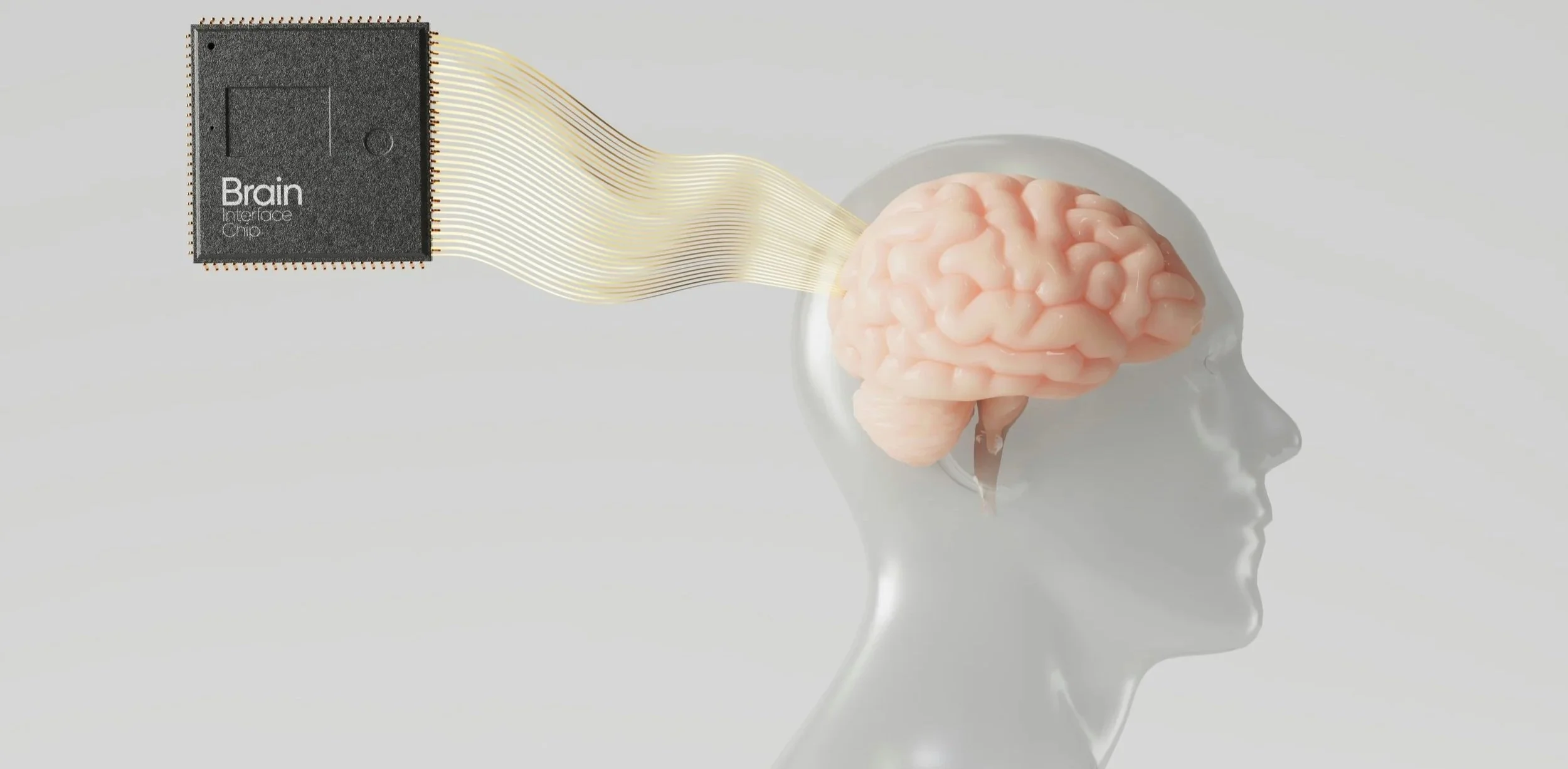
Why Your Client’s Brain Has No Folders
You try a different angle. You try resourcing. You circle back to the protocol. And you both leave a little quieter than when you started. When EMDR gets stuck, it's often not the client, but it's that preverbal wounds don't live in folders. They live in the body, still running as current.

Why Grandpa Shuts Down (And Why His Kids Ignore Him)
When a client can't understand why the people they love keep pulling away, the surface story is rarely the real one. The shutdown didn't start in his relationships, it started somewhere much earlier. Here's what it looks like to work underneath the floorboards, where the implicit story actually lives.

Why Your "Mindset" is a Big Fat Fraud
You have the information. You've mapped it out. You know exactly what to do. So why does something stop you before you even start? It's not a knowledge gap, it's a state living in your nervous system that hasn't gotten the news yet. Here's what it actually takes to change.

The Preverbal Wound: When Clients Stay Stuck
When a client is brilliant, self-aware, and genuinely trying, but nothing shifts, you may not be working with the wrong client. You may be working with the wrong state. Here's what it looks like to work underneath the floorboards, working with a preverbal wound.

The "Holy" Object in Your Therapy Room
If you have a client who can narrate their trauma with precision but recoils the moment you move toward it, you've met the Symptom Shrine. It's not resistance. It's devotion. And waiting for it to be "ready" isn't patience, it's the Burnout Premium in disguise.

When Everything Becomes Automatic
A decade of complex trauma work, a PhD, and still there was a ceiling she couldn't name. The trap of experience is that your process becomes invisible, even to yourself. Here's how one therapist found the language to make the implicit explicit again.
-

What does it mean by “the body keeps the score”?
How our body remembers and holds on to trauma.
-

It's Nice to Say No
Learning how to better set boundaries for yourself.
-

The Science Behind Trauma I How Trauma Differs from Stress
A deeper dive into how trauma differs from stress.
-

Working with Shame
Helping your clients push past feelings of shame.