Why Your Client’s Brain Has No Folders
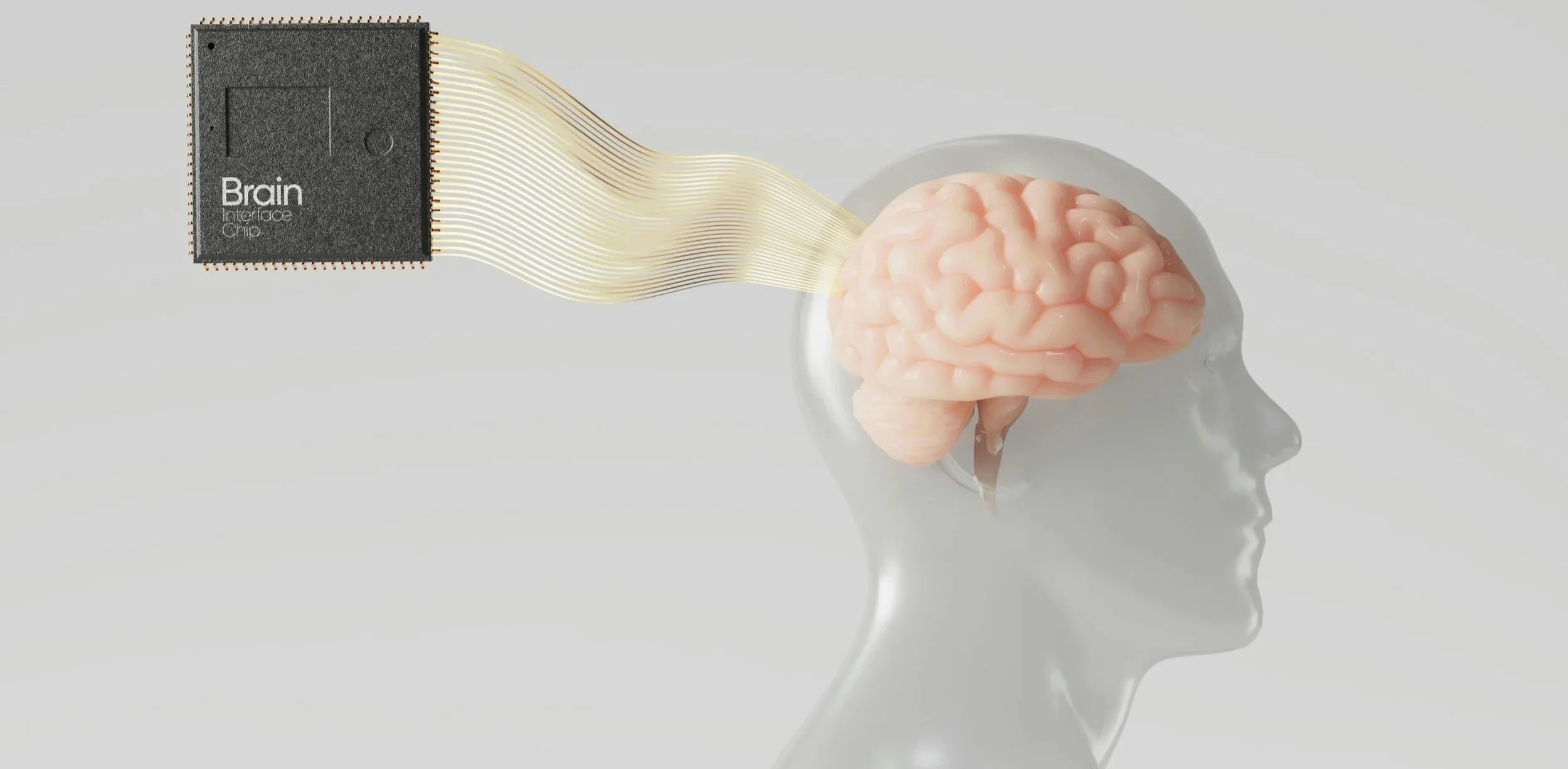
Standard EMDR assumes your client has a functioning "filing system."
When a "normal" trauma happens, the hippocampus... the brain's filing clerk... takes the memory, puts it in a folder, and stamps it: "THEN." Past tense. Processed. Filed away.
Butpreverbal traumahappens before the filing system is even built.
There are no folders. No images. No timestamps.
So the wound doesn't get filed away. It stays in the Inbox. Running as "current" in the nervous system's operating system.
Not as a memory the client can point to, but as a felt sense... a tension in the chest, a collapse in the posture, a readiness to disappear.
This is why, when you ask a client to "go to the target," they look at you blankly. Not because they're being difficult. Not because the work isn't landing. But because there is no folder for them to open.
You're askingthem to retrieve something that wasnever stored that way to begin with.
And what tends to happen next is so familiar.
We try a different angle. We try grounding. We try resourcing.
We circle back to the protocol hoping something will catch. And the client sits there, genuinely trying, genuinely wanting to give us something to work with... and we both leave the session a little quieter than when we started.
That quiet is worth paying attention to.
Because what it usually means is that we're working at the level of the filing cabinet when the wound lives somewhere deeper... in the body, in the posture, in the part of the nervous system that formed before language did.
This is something that so many therapists struggle with. If that resonates with you, let me help! I’m working with a select group of therapists to dive deeper and unpack preverbal trauma and the stuck points in EMDR. I'm showing you exactly how to work with the "Inbox" when there are no folders.
Warmly,
Esther