What “The Body Keeps the Score” Means in Trauma Therapy — A Somatic Guide for Therapists

Trauma isn’t just memory — it’s physiology. Learn what “The Body Keeps the Score” really means, why talk therapy stalls, and how somatic work creates nervous system change.
𝘏𝘰𝘸 𝘖𝘶𝘳 𝘉𝘰𝘥𝘺 𝘙𝘦𝘮𝘦𝘮𝘣𝘦𝘳𝘴 𝘢𝘯𝘥 𝘏𝘰𝘭𝘥𝘴 𝘰𝘯 𝘵𝘰 𝘛𝘳𝘢𝘶𝘮𝘢 — 𝘈 𝘎𝘶𝘪𝘥𝘦 𝘧𝘰𝘳 𝘛𝘩𝘦𝘳𝘢𝘱𝘪𝘴𝘵𝘴
This article explains what the phrase “the body keeps the score” actually means in nervous system terms, not just conceptually, but clinically. We’ll explore why trauma lives in physiology, why talk therapy often stalls, and how somatic approaches help clients update their nervous systems.
——————
She could tell me exactly what happened to her.
Every detail. Every date. Every person involved.
But the moment we slowed down and I asked, "Where do you feel that in your body right now?", she went blank.
I've seen this hundreds of times in my office. The client who can narrate their trauma with perfect clarity. Who's done years of talk therapy. Who "understands" everything.
And yet… nothing shifts.
𝗧𝗵𝗶𝘀 𝗶𝘀 𝘄𝗵𝗮𝘁 𝗕𝗲𝘀𝘀𝗲𝗹 𝘃𝗮𝗻 𝗱𝗲𝗿 𝗞𝗼𝗹𝗸 𝗺𝗲𝗮𝗻𝘁 𝘄𝗵𝗲𝗻 𝗵𝗲 𝘄𝗿𝗼𝘁𝗲, "𝗧𝗵𝗲 𝗯𝗼𝗱𝘆 𝗸𝗲𝗲𝗽𝘀 𝘁𝗵𝗲 𝘀𝗰𝗼𝗿𝗲."
Trauma doesn't just live in the story.
The jaw that won't unclench.
The shoulders that stay braced.
The breath that never fully drops.
Why Insight Alone Doesn’t Change the Nervous System
Here's the truth most of us weren't taught in grad school: 𝗶𝗻𝘀𝗶𝗴𝗵𝘁 𝗮𝗹𝗼𝗻𝗲 𝗱𝗼𝗲𝘀𝗻'𝘁 𝗰𝗵𝗮𝗻𝗴𝗲 𝘁𝗵𝗲 𝗻𝗲𝗿𝘃𝗼𝘂𝘀 𝘀𝘆𝘀𝘁𝗲𝗺.
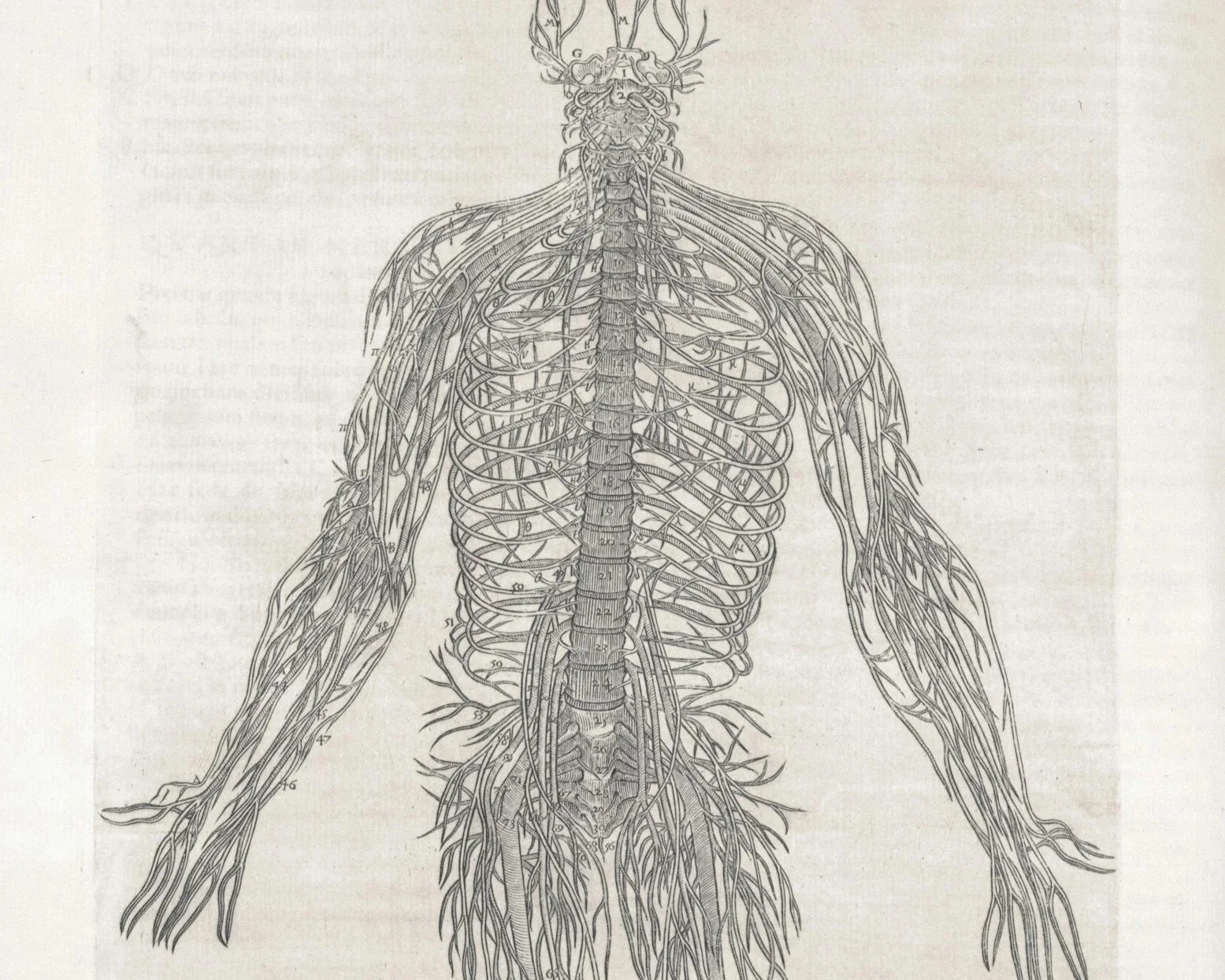
𝗪𝗵𝗮𝘁 "𝗧𝗵𝗲 𝗕𝗼𝗱𝘆 𝗞𝗲𝗲𝗽𝘀 𝘁𝗵𝗲 𝗦𝗰𝗼𝗿𝗲" 𝗔𝗰𝘁𝘂𝗮𝗹𝗹𝘆 𝗠𝗲𝗮𝗻𝘀
When van der Kolk published his groundbreaking book in 2014, it changed everything.
But what does the phrase actually mean for us as clinicians?
At its core: 𝘁𝗿𝗮𝘂𝗺𝗮 𝗶𝘀 𝗻𝗼𝘁 𝗷𝘂𝘀𝘁 𝗮 𝗺𝗲𝗺𝗼𝗿𝘆. 𝗜𝘁'𝘀 𝗮 𝗽𝗵𝘆𝘀𝗶𝗼𝗹𝗼𝗴𝗶𝗰𝗮𝗹 𝗶𝗺𝗽𝗿𝗶𝗻𝘁.
>𝘛𝘳𝘢𝘶𝘮𝘢 𝘪𝘴 𝘯𝘰𝘵 𝘫𝘶𝘴𝘵 𝘢𝘯 𝘦𝘷𝘦𝘯𝘵 𝘵𝘩𝘢𝘵 𝘵𝘰𝘰𝘬 𝘱𝘭𝘢𝘤𝘦 𝘴𝘰𝘮𝘦𝘵𝘪𝘮𝘦 𝘪𝘯 𝘵𝘩𝘦 𝘱𝘢𝘴𝘵; 𝘪𝘵 𝘪𝘴 𝘢𝘭𝘴𝘰 𝘵𝘩𝘦 𝘪𝘮𝘱𝘳𝘪𝘯𝘵 𝘭𝘦𝘧𝘵 𝘣𝘺 𝘵𝘩𝘢𝘵 𝘦𝘹𝘱𝘦𝘳𝘪𝘦𝘯𝘤𝘦 𝘰𝘯 𝘮𝘪𝘯𝘥, 𝘣𝘳𝘢𝘪𝘯, 𝘢𝘯𝘥 𝘣𝘰𝘥𝘺. 𝘛𝘩𝘪𝘴 𝘪𝘮𝘱𝘳𝘪𝘯𝘵 𝘩𝘢𝘴 𝘰𝘯𝘨𝘰𝘪𝘯𝘨 𝘤𝘰𝘯𝘴𝘦𝘲𝘶𝘦𝘯𝘤𝘦𝘴 𝘧𝘰𝘳 𝘩𝘰𝘸 𝘵𝘩𝘦 𝘩𝘶𝘮𝘢𝘯 𝘰𝘳𝘨𝘢𝘯𝘪𝘴𝘮 𝘮𝘢𝘯𝘢𝘨𝘦𝘴 𝘵𝘰 𝘴𝘶𝘳𝘷𝘪𝘷𝘦 𝘪𝘯 𝘵𝘩𝘦 𝘱𝘳𝘦𝘴𝘦𝘯𝘵." - Van der Kolk
The body literally encodes what the mind cannot process.
And here's what I want you to really hear:
That encoding doesn't disappear when the threat is over.
It doesn't dissolve with insight.
It doesn't release through understanding alone.
It stays. Layer by layer. Until someone helps the body let go.

𝗪𝗵𝘆 Trauma Survivors 𝗙𝗲𝗲𝗹 𝗨𝗻𝘀𝗮𝗳𝗲 𝗶𝗻 𝗧𝗵𝗲𝗶𝗿 𝗢𝘄𝗻 𝗕𝗼𝗱𝗶𝗲𝘀
I remember a client telling me: "I know I'm safe now. So why does my body still act like I'm not?"
This is one of van der Kolk's most powerful observations:
> "𝘛𝘳𝘢𝘶𝘮𝘢𝘵𝘪𝘻𝘦𝘥 𝘱𝘦𝘰𝘱𝘭𝘦 𝘤𝘩𝘳𝘰𝘯𝘪𝘤𝘢𝘭𝘭𝘺 𝘧𝘦𝘦𝘭 𝘶𝘯𝘴𝘢𝘧𝘦 𝘪𝘯𝘴𝘪𝘥𝘦 𝘵𝘩𝘦𝘪𝘳 𝘣𝘰𝘥𝘪𝘦𝘴: 𝘛𝘩𝘦 𝘱𝘢𝘴𝘵 𝘪𝘴 𝘢𝘭𝘪𝘷𝘦 𝘪𝘯 𝘵𝘩𝘦 𝘧𝘰𝘳𝘮 𝘰𝘧 𝘨𝘯𝘢𝘸𝘪𝘯𝘨 𝘪𝘯𝘵𝘦𝘳𝘪𝘰𝘳 𝘥𝘪𝘴𝘤𝘰𝘮𝘧𝘰𝘳𝘵. 𝘛𝘩𝘦𝘪𝘳 𝘣𝘰𝘥𝘪𝘦𝘴 𝘢𝘳𝘦 𝘤𝘰𝘯𝘴𝘵𝘢𝘯𝘵𝘭𝘺 𝘣𝘰𝘮𝘣𝘢𝘳𝘥𝘦𝘥 𝘣𝘺 𝘷𝘪𝘴𝘤𝘦𝘳𝘢𝘭 𝘸𝘢𝘳𝘯𝘪𝘯𝘨 𝘴𝘪𝘨𝘯𝘴, 𝘢𝘯𝘥, 𝘪𝘯 𝘢𝘯 𝘢𝘵𝘵𝘦𝘮𝘱𝘵 𝘵𝘰 𝘤𝘰𝘯𝘵𝘳𝘰𝘭 𝘵𝘩𝘦𝘴𝘦 𝘱𝘳𝘰𝘤𝘦𝘴𝘴𝘦𝘴, 𝘵𝘩𝘦𝘺 𝘰𝘧𝘵𝘦𝘯 𝘣𝘦𝘤𝘰𝘮𝘦 𝘦𝘹𝘱𝘦𝘳𝘵 𝘢𝘵 𝘪𝘨𝘯𝘰𝘳𝘪𝘯𝘨 𝘵𝘩𝘦𝘪𝘳 𝘨𝘶𝘵 𝘧𝘦𝘦𝘭𝘪𝘯𝘨𝘴 𝘢𝘯𝘥 𝘪𝘯 𝘯𝘶𝘮𝘣𝘪𝘯𝘨 𝘢𝘸𝘢𝘳𝘦𝘯𝘦𝘴𝘴 𝘰𝘧 𝘸𝘩𝘢𝘵 𝘪𝘴 𝘱𝘭𝘢𝘺𝘦𝘥 𝘰𝘶𝘵 𝘪𝘯𝘴𝘪𝘥𝘦. 𝘛𝘩𝘦𝘺 𝘭𝘦𝘢𝘳𝘯 𝘵𝘰 𝘩𝘪𝘥𝘦 𝘧𝘳𝘰𝘮 𝘵𝘩𝘦𝘪𝘳 𝘴𝘦𝘭𝘷𝘦𝘴."
Sound familiar?
This is why so many trauma survivors:
→ Struggle with chronic pain and tension that doctors can't explain
→ Feel disconnected from physical sensations
→ Can't relax even in safe environments
→ Experience their body as the enemy
And here's the profound implication for us as therapists:

𝗧𝗵𝗲 𝗡𝗲𝘂𝗿𝗼𝘀𝗰𝗶𝗲𝗻𝗰𝗲: 𝗛𝗼𝘄 𝗧𝗿𝗮𝘂𝗺𝗮 𝗚𝗲𝘁𝘀 𝗟𝗼𝗰𝗸𝗲𝗱 𝗶𝗻 𝘁𝗵𝗲 𝗕𝗼𝗱𝘆
Peter Levine, founder of Somatic Experiencing, says something I come back to again and again: > "𝘛𝘳𝘢𝘶𝘮𝘢 𝘪𝘴 𝘯𝘰𝘵 𝘸𝘩𝘢𝘵 𝘩𝘢𝘱𝘱𝘦𝘯𝘴 𝘵𝘰 𝘶𝘴, 𝘣𝘶𝘵 𝘸𝘩𝘢𝘵 𝘸𝘦 𝘩𝘰𝘭𝘥 𝘪𝘯𝘴𝘪𝘥𝘦 𝘪𝘯 𝘵𝘩𝘦 𝘢𝘣𝘴𝘦𝘯𝘤𝘦 𝘰𝘧 𝘢𝘯 𝘦𝘮𝘱𝘢𝘵𝘩𝘦𝘵𝘪𝘤 𝘸𝘪𝘵𝘯𝘦𝘴𝘴."
Read that again.
It's not the event itself. It's what gets trapped when there's no one there to help the nervous system complete its response.
The body holds:
→ Frozen fight-or-flight responses that never completed
→ Protective tension patterns that became permanent
→ Sensory fragments disconnected from conscious memory
→ Survival states that get triggered decades later
This is why a client can "know" their trauma story inside out, can articulate every detail with perfect clarity — and still feel completely hijacked by their body.
The narrative brain and the survival brain speak different languages.
And most of us were only trained to speak one of them.
𝗧𝗵𝗲 𝗛𝗮𝗿𝗱 𝗧𝗿𝘂𝘁𝗵 𝗔𝗯𝗼𝘂𝘁 𝗧𝗮𝗹𝗸 𝗧𝗵𝗲𝗿𝗮𝗽𝘆
Talk therapy alone often isn't enough for trauma.
Van der Kolk discovered this through brain imaging research:
> "𝘗𝘴𝘺𝘤𝘩𝘰𝘭𝘰𝘨𝘪𝘴𝘵𝘴 𝘶𝘴𝘶𝘢𝘭𝘭𝘺 𝘵𝘳𝘺 𝘵𝘰 𝘩𝘦𝘭𝘱 𝘱𝘦𝘰𝘱𝘭𝘦 𝘶𝘴𝘦 𝘪𝘯𝘴𝘪𝘨𝘩𝘵 𝘢𝘯𝘥 𝘶𝘯𝘥𝘦𝘳𝘴𝘵𝘢𝘯𝘥𝘪𝘯𝘨 𝘵𝘰 𝘮𝘢𝘯𝘢𝘨𝘦 𝘵𝘩𝘦𝘪𝘳 𝘣𝘦𝘩𝘢𝘷𝘪𝘰𝘳. 𝘏𝘰𝘸𝘦𝘷𝘦𝘳, 𝘯𝘦𝘶𝘳𝘰𝘴𝘤𝘪𝘦𝘯𝘤𝘦 𝘳𝘦𝘴𝘦𝘢𝘳𝘤𝘩 𝘴𝘩𝘰𝘸𝘴 𝘵𝘩𝘢𝘵 𝘷𝘦𝘳𝘺 𝘧𝘦𝘸 𝘱𝘴𝘺𝘤𝘩𝘰𝘭𝘰𝘨𝘪𝘤𝘢𝘭 𝘱𝘳𝘰𝘣𝘭𝘦𝘮𝘴 𝘢𝘳𝘦 𝘵𝘩𝘦 𝘳𝘦𝘴𝘶𝘭𝘵 𝘰𝘧 𝘥𝘦𝘧𝘦𝘤𝘵𝘴 𝘪𝘯 𝘶𝘯𝘥𝘦𝘳𝘴𝘵𝘢𝘯𝘥𝘪𝘯𝘨; 𝘮𝘰𝘴𝘵 𝘰𝘳𝘪𝘨𝘪𝘯𝘢𝘵𝘦 𝘪𝘯 𝘱𝘳𝘦𝘴𝘴𝘶𝘳𝘦𝘴 𝘧𝘳𝘰𝘮 𝘥𝘦𝘦𝘱𝘦𝘳 𝘳𝘦𝘨𝘪𝘰𝘯𝘴 𝘪𝘯 𝘵𝘩𝘦 𝘣𝘳𝘢𝘪𝘯 𝘵𝘩𝘢𝘵 𝘥𝘳𝘪𝘷𝘦 𝘰𝘶𝘳 𝘱𝘦𝘳𝘤𝘦𝘱𝘵𝘪𝘰𝘯 𝘢𝘯𝘥 𝘢𝘵𝘵𝘦𝘯𝘵𝘪𝘰𝘯. 𝘞𝘩𝘦𝘯 𝘵𝘩𝘦 𝘢𝘭𝘢𝘳𝘮 𝘣𝘦𝘭𝘭 𝘰𝘧 𝘵𝘩𝘦 𝘦𝘮𝘰𝘵𝘪𝘰𝘯𝘢𝘭 𝘣𝘳𝘢𝘪𝘯 𝘬𝘦𝘦𝘱𝘴 𝘴𝘪𝘨𝘯𝘢𝘭𝘪𝘯𝘨 𝘵𝘩𝘢𝘵 𝘺𝘰𝘶 𝘢𝘳𝘦 𝘪𝘯 𝘥𝘢𝘯𝘨𝘦𝘳, 𝘯𝘰 𝘢𝘮𝘰𝘶𝘯𝘵 𝘰𝘧 𝘪𝘯𝘴𝘪𝘨𝘩𝘵 𝘸𝘪𝘭𝘭 𝘴𝘪𝘭𝘦𝘯𝘤𝘦 𝘪𝘵."
Let that land.
You can understand your trauma perfectly.
You can have brilliant insights.
You can articulate your patterns with precision.
And still be trapped.
Because the alarm bell isn't in the thinking brain.
It's in the body.

𝗦𝗼 𝗪𝗵𝗮𝘁 𝗶𝘀 𝗦𝗼𝗺𝗮𝘁𝗶𝗰 𝗪𝗼𝗿𝗸, 𝗥𝗲𝗮𝗹𝗹𝘆?
Somatic work is any approach that uses the body as the primary pathway to healing.
Not talking about the body. Actually working with it.
Pat Ogden, founder of Sensorimotor Psychotherapy, explains the core shift:
> "𝘛𝘳𝘦𝘢𝘵𝘮𝘦𝘯𝘵 𝘮𝘶𝘴𝘵 𝘢𝘥𝘥𝘳𝘦𝘴𝘴 𝘵𝘩𝘦 𝘩𝘦𝘳𝘦-𝘢𝘯𝘥-𝘯𝘰𝘸 𝘦𝘹𝘱𝘦𝘳𝘪𝘦𝘯𝘤𝘦 𝘰𝘧 𝘵𝘩𝘦 𝘵𝘳𝘢𝘶𝘮𝘢𝘵𝘪𝘤 𝘱𝘢𝘴𝘵, 𝘳𝘢𝘵𝘩𝘦𝘳 𝘵𝘩𝘢𝘯 𝘪𝘵𝘴 𝘤𝘰𝘯𝘵𝘦𝘯𝘵 𝘰𝘳 𝘯𝘢𝘳𝘳𝘢𝘵𝘪𝘷𝘦, 𝘪𝘯 𝘰𝘳𝘥𝘦𝘳 𝘵𝘰 𝘤𝘩𝘢𝘭𝘭𝘦𝘯𝘨𝘦 𝘢𝘯𝘥 𝘵𝘳𝘢𝘯𝘴𝘧𝘰𝘳𝘮 𝘱𝘳𝘰𝘤𝘦𝘥𝘶𝘳𝘢𝘭 𝘭𝘦𝘢𝘳𝘯𝘪𝘯𝘨."
In my trauma therapy practice, this means:
✨ Tracking bodily sensations in real time — not just emotions
✨ Noticing breath patterns, posture, and tension as they happen
✨ Working with incomplete defensive responses
✨ Titrating activation so we don't flood the system
✨ Using movement to complete what got stuck
It's not about adding another technique to your toolbox.
It's about fundamentally shifting how you see what's happening in the room.
𝗧𝗼𝗽-𝗗𝗼𝘄𝗻 𝘃𝘀. 𝗕𝗼𝘁𝘁𝗼𝗺-𝗨𝗽: 𝗧𝗵𝗲 𝗦𝗵𝗶𝗳𝘁 𝗧𝗵𝗮𝘁 𝗖𝗵𝗮𝗻𝗴𝗲𝘀 𝗘𝘃𝗲𝗿𝘆𝘁𝗵𝗶𝗻𝗴
Most of us were trained in "top-down" processing.
Start with thoughts. Use cognition to influence emotions. Hope the body follows.
Somatic work flips this.
We start with the body.
Let sensation inform emotion. Let meaning emerge from experience, not the other way around.
Pat Ogden describes it beautifully:
> "𝘐𝘯 𝘣𝘰𝘵𝘵𝘰𝘮-𝘶𝘱 𝘢𝘱𝘱𝘳𝘰𝘢𝘤𝘩𝘦𝘴, 𝘵𝘩𝘦 𝘣𝘰𝘥𝘺'𝘴 𝘴𝘦𝘯𝘴𝘢𝘵𝘪𝘰𝘯 𝘢𝘯𝘥 𝘮𝘰𝘷𝘦𝘮𝘦𝘯𝘵 𝘢𝘳𝘦 𝘵𝘩𝘦 𝘦𝘯𝘵𝘳𝘺 𝘱𝘰𝘪𝘯𝘵𝘴 𝘢𝘯𝘥 𝘤𝘩𝘢𝘯𝘨𝘦𝘴 𝘪𝘯 𝘴𝘦𝘯𝘴𝘰𝘳𝘪𝘮𝘰𝘵𝘰𝘳 𝘦𝘹𝘱𝘦𝘳𝘪𝘦𝘯𝘤𝘦 𝘢𝘳𝘦 𝘶𝘴𝘦𝘥 𝘵𝘰 𝘴𝘶𝘱𝘱𝘰𝘳𝘵 𝘴𝘦𝘭𝘧-𝘳𝘦𝘨𝘶𝘭𝘢𝘵𝘪𝘰𝘯, 𝘮𝘦𝘮𝘰𝘳𝘺 𝘱𝘳𝘰𝘤𝘦𝘴𝘴𝘪𝘯𝘨, 𝘢𝘯𝘥 𝘴𝘶𝘤𝘤𝘦𝘴𝘴 𝘪𝘯 𝘥𝘢𝘪𝘭𝘺 𝘭𝘪𝘧𝘦. 𝘔𝘦𝘢𝘯𝘪𝘯𝘨 𝘢𝘯𝘥 𝘶𝘯𝘥𝘦𝘳𝘴𝘵𝘢𝘯𝘥𝘪𝘯𝘨 𝘦𝘮𝘦𝘳𝘨𝘦 𝘧𝘳𝘰𝘮 𝘯𝘦𝘸 𝘦𝘹𝘱𝘦𝘳𝘪𝘦𝘯𝘤𝘦𝘴 𝘳𝘢𝘵𝘩𝘦𝘳 𝘵𝘩𝘢𝘯 𝘵𝘩𝘦 𝘰𝘵𝘩𝘦𝘳 𝘸𝘢𝘺 𝘢𝘳𝘰𝘶𝘯𝘥."
This is the difference between a client who understands their trauma and a client who has actually moved through it.

𝗧𝗵𝗲 𝗙𝗶𝗿𝘀𝘁 𝗦𝘁𝗲𝗽: 𝗕𝗲𝗳𝗿𝗶𝗲𝗻𝗱𝗶𝗻𝗴 𝘁𝗵𝗲 𝗕𝗼𝗱𝘆
Here's what I've learned after years of this work:
Healing doesn't start with processing the trauma.
It starts with helping clients feel safe enough to be in their body again.
Van der Kolk says it clearly:
> "𝘛𝘳𝘢𝘶𝘮𝘢 𝘷𝘪𝘤𝘵𝘪𝘮𝘴 𝘤𝘢𝘯𝘯𝘰𝘵 𝘳𝘦𝘤𝘰𝘷𝘦𝘳 𝘶𝘯𝘵𝘪𝘭 𝘵𝘩𝘦𝘺 𝘣𝘦𝘤𝘰𝘮𝘦 𝘧𝘢𝘮𝘪𝘭𝘪𝘢𝘳 𝘸𝘪𝘵𝘩 𝘢𝘯𝘥 𝘣𝘦𝘧𝘳𝘪𝘦𝘯𝘥 𝘵𝘩𝘦 𝘴𝘦𝘯𝘴𝘢𝘵𝘪𝘰𝘯𝘴 𝘪𝘯 𝘵𝘩𝘦𝘪𝘳 𝘣𝘰𝘥𝘪𝘦𝘴. 𝘉𝘦𝘪𝘯𝘨 𝘧𝘳𝘪𝘨𝘩𝘵𝘦𝘯𝘦𝘥 𝘮𝘦𝘢𝘯𝘴 𝘵𝘩𝘢𝘵 𝘺𝘰𝘶 𝘭𝘪𝘷𝘦 𝘪𝘯 𝘢 𝘣𝘰𝘥𝘺 𝘵𝘩𝘢𝘵 𝘪𝘴 𝘢𝘭𝘸𝘢𝘺𝘴 𝘰𝘯 𝘨𝘶𝘢𝘳𝘥. 𝘐𝘯 𝘰𝘳𝘥𝘦𝘳 𝘵𝘰 𝘤𝘩𝘢𝘯𝘨𝘦, 𝘱𝘦𝘰𝘱𝘭𝘦 𝘯𝘦𝘦𝘥 𝘵𝘰 𝘣𝘦𝘤𝘰𝘮𝘦 𝘢𝘸𝘢𝘳𝘦 𝘰𝘧 𝘵𝘩𝘦𝘪𝘳 𝘴𝘦𝘯𝘴𝘢𝘵𝘪𝘰𝘯𝘴 𝘢𝘯𝘥 𝘵𝘩𝘦 𝘸𝘢𝘺 𝘵𝘩𝘢𝘵 𝘵𝘩𝘦𝘪𝘳 𝘣𝘰𝘥𝘪𝘦𝘴 𝘪𝘯𝘵𝘦𝘳𝘢𝘤𝘵 𝘸𝘪𝘵𝘩 𝘵𝘩𝘦 𝘸𝘰𝘳𝘭𝘥 𝘢𝘳𝘰𝘶𝘯𝘥 𝘵𝘩𝘦𝘮. 𝘗𝘩𝘺𝘴𝘪𝘤𝘢𝘭 𝘴𝘦𝘭𝘧-𝘢𝘸𝘢𝘳𝘦𝘯𝘦𝘴𝘴 𝘪𝘴 𝘵𝘩𝘦 𝘧𝘪𝘳𝘴𝘵 𝘴𝘵𝘦𝘱 𝘪𝘯 𝘳𝘦𝘭𝘦𝘢𝘴𝘪𝘯𝘨 𝘵𝘩𝘦 𝘵𝘺𝘳𝘢𝘯𝘯𝘺 𝘰𝘧 𝘵𝘩𝘦 𝘱𝘢𝘴𝘵."

This is the foundation of Somatic Work:
1️⃣ Help clients notice physical sensations, not emotions, sensations
2️⃣ Build tolerance for staying present with what arises
3️⃣ Develop capacity to tell the difference between past danger and present safety
4️⃣ Complete the defensive responses that got interrupted
5️⃣ Restore a sense of ownership over the body
Simple to say. Profound to practice.
If you’re recognizing these patterns in your clients — and in yourself, this is the training most graduate programs never provided.
To deepen your somatic precision with complex trauma presentations, explore my advanced training for therapists here: Trauma Mastery Program for Therapists

𝗪𝗵𝘆 𝗖𝗼𝗻𝗻𝗲𝗰𝘁𝗶𝗼𝗻 𝗶𝘀 𝘁𝗵𝗲 𝗛𝗶𝗱𝗱𝗲𝗻 𝗞𝗲𝘆
Trauma doesn't just live in the body. It lives in the space between people.
Van der Kolk puts it this way: > "𝘉𝘦𝘪𝘯𝘨 𝘢𝘣𝘭𝘦 𝘵𝘰 𝘧𝘦𝘦𝘭 𝘴𝘢𝘧𝘦 𝘸𝘪𝘵𝘩 𝘰𝘵𝘩𝘦𝘳 𝘱𝘦𝘰𝘱𝘭𝘦 𝘪𝘴 𝘱𝘳𝘰𝘣𝘢𝘣𝘭𝘺 𝘵𝘩𝘦 𝘴𝘪𝘯𝘨𝘭𝘦 𝘮𝘰𝘴𝘵 𝘪𝘮𝘱𝘰𝘳𝘵𝘢𝘯𝘵 𝘢𝘴𝘱𝘦𝘤𝘵 𝘰𝘧 𝘮𝘦𝘯𝘵𝘢𝘭 𝘩𝘦𝘢𝘭𝘵𝘩; 𝘴𝘢𝘧𝘦 𝘤𝘰𝘯𝘯𝘦𝘤𝘵𝘪𝘰𝘯𝘴 𝘢𝘳𝘦 𝘧𝘶𝘯𝘥𝘢𝘮𝘦𝘯𝘵𝘢𝘭 𝘵𝘰 𝘮𝘦𝘢𝘯𝘪𝘯𝘨𝘧𝘶𝘭 𝘢𝘯𝘥 𝘴𝘢𝘵𝘪𝘴𝘧𝘺𝘪𝘯𝘨 𝘭𝘪𝘷𝘦𝘴."
This is why the therapeutic relationship isn't just nice to have.
It's the vehicle for healing.
When clients experience safety in connection, often for the first time, their nervous system starts to learn something new:
Relationships can regulate. Not just threaten.
Your attuned presence becomes the "empathetic witness" that was missing during the original trauma.
That's not technique. That's transformation.

𝗧𝗵𝗲 𝗚𝗮𝗽 𝗡𝗼 𝗢𝗻𝗲 𝗧𝗮𝗹𝗸𝘀 𝗔𝗯𝗼𝘂𝘁
Here's what I wish someone had told me earlier in my career:
Most graduate programs don't teach this.
We learn to interpret. Reflect. Reframe.
We don't learn:
→ How to read the nervous system in real time
→ What to do when a client dissociates mid-session
→ How to work with implicit memory held in the body
→ How to titrate activation so healing happens without flooding
→ When to slow down vs. when to push for growth
This is why so many skilled, well-trained therapists feel stuck with complex trauma cases.
The client improves, then plateaus.
Insight accumulates, but nothing shifts at the core.
Sessions feel productive, but the nervous system stays unchanged.
𝗧𝗵𝗲 𝗺𝗶𝘀𝘀𝗶𝗻𝗴 𝗽𝗶𝗲𝗰𝗲 𝗶𝘀 𝘂𝘀𝘂𝗮𝗹𝗹𝘆 𝘀𝗼𝗺𝗮𝘁𝗶𝗰.
𝗪𝗵𝗮𝘁 𝗖𝗵𝗮𝗻𝗴𝗲𝘀 𝗪𝗵𝗲𝗻 𝗬𝗼𝘂 𝗗𝗲𝘃𝗲𝗹𝗼𝗽 𝗦𝗼𝗺𝗮𝘁𝗶𝗰 𝗦𝗸𝗶𝗹𝗹𝘀
When you understand how the body keeps the score — and how to work with it — everything shifts.
🌱 You stop relying solely on words to create change
🌱 You recognize when the nervous system is running the session
🌱 You know how to titrate activation so healing happens without flooding
🌱 You feel confident with the clients who used to leave you second-guessing
🌱 You can work with dissociation, freeze, and shutdown without fear
🌱 You finally understand why some clients "plateau" — and what to do about it
Somatic work is how we help clients actually feel safe.
Not just understand safety cognitively. Feel it. In their bones. In their breath. In their body.

Ready to Close the Gap Between Insight and Nervous System Change?
If you’re an experienced clinician who feels stuck with complex trauma cases — where clients understand their story but their physiology won’t update — you’re not alone. Most programs never taught how to read and work with the nervous system in real time.
This training is for experienced therapists who want to:
→ Read the nervous system with precision
→ Work confidently with dissociation, freeze, and shutdown
→ Integrate Sensorimotor, IFS, and EMDR approaches
→ Finally feel grounded with complex cases
→ Develop a coherent framework for case formulation
→ Join a high-caliber clinical community
The body keeps the score, AND with the right training, you can help your clients finally change it.
Esther Goldstein LCSW, Sensorimotor, IFS

Frequently Asked Questions
What does it mean that trauma lives in the body?
Trauma persists as physiological states, muscle tension, dysregulated breath, altered nervous system patterns, long after the event has ended.
Why doesn’t talk therapy alone resolve trauma?
Because insight doesn’t automatically regulate subcortical survival responses, the body keeps responding as though the threat is still present.
What is somatic therapy?
Somatic therapy uses bodily sensation, activation patterns, motion, and nervous system state as the primary pathway to healing, not just narrative.
How do I know if a client needs somatic work?
Signs include chronic bracing patterns, dissociation in session, high insight with little embodied change, or persistent physiological dysregulation.