The Empty Room
There's something that happens in session that I want to name precisely because it's so easy to misread.
Your client goes quiet.
Not the productive quiet. Not the "something is processing" quiet where you can feel the system working underneath the stillness.
The other kind.
The one where the eyes go a little flat. The narrative just... stops mid-sentence. The energy in the room drops in a specific way that's hard to describe but unmistakable once you've felt it.
The client hasn't gone quiet because they've arrived somewhere.
They've gone quiet because the system decided disappearing was safer than staying present for whatever was coming next.
From the outside it can look like calm. From the inside, the emergency brake just engaged.
And this is where the misread happens.
Because the reflex, especially with therapists trained in active processing, is to keep moving. The client seems settled, so we go deeper. We follow the thread. We introduce the next intervention.
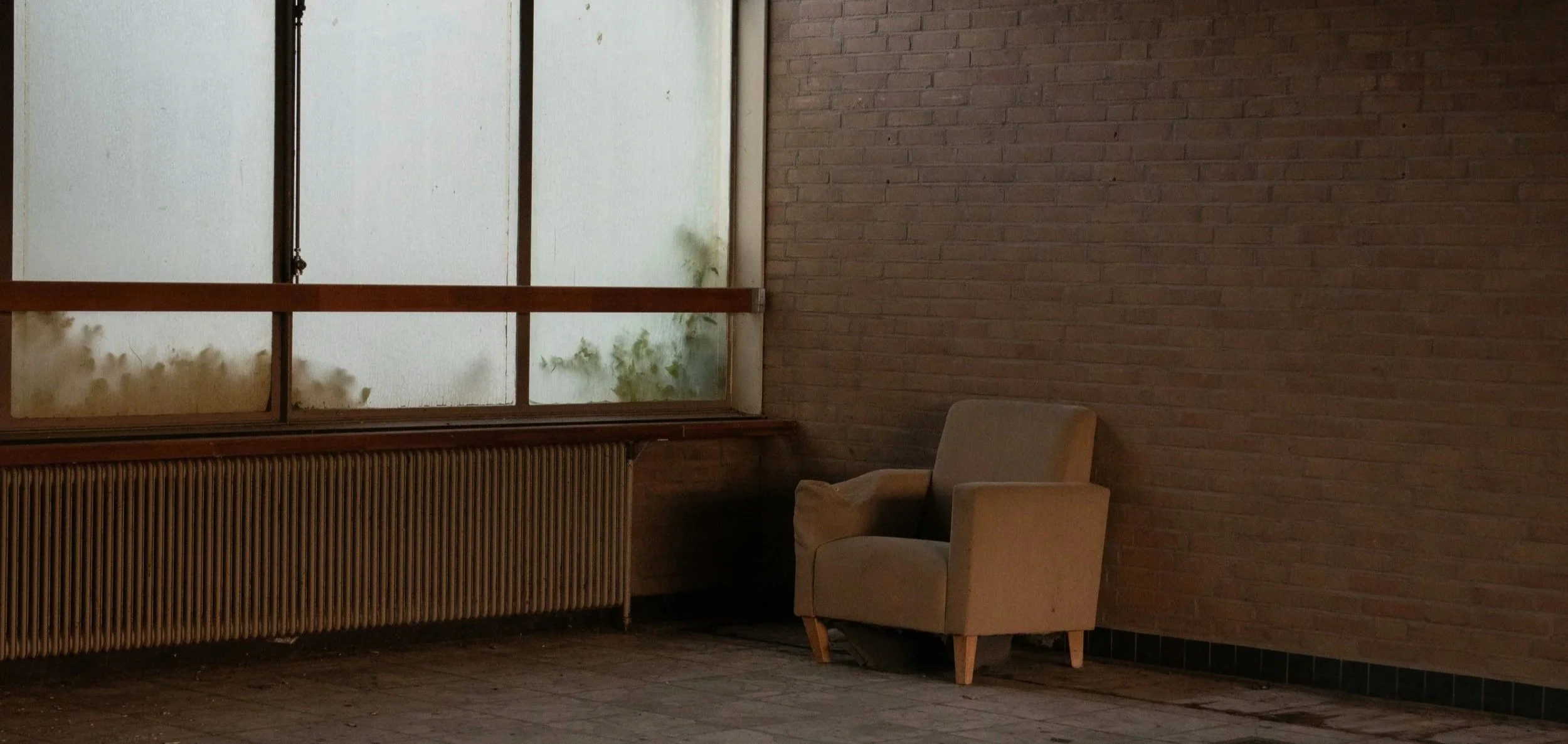
But we're talking to an empty room.
The work in that moment isn't processing.
It's retrieval. You're calling the part of them that left back into the room before you go anywhere near the content.
Those two states need completely different responses. Knowing which one you're actually sitting across from... that's the read that separates good therapy from great therapy.
Warmly,
Esther
Ps: When you’re ready, here are 3 ways I can help you:
1. Apply to join the Trauma Mastery Cohort: for clinicians who want to deepen their somatic and parts work skills with live supervision, case consultation, and a community of trauma therapists doing the real work. If you’re interested, Apply here
2. Step inside any of my self-paced trainings: Somatic sequencing, IFS mastery, working with shame, EMDR avoidance, treatment planning for complex trauma... all of my masterclasses and bundles live in one place. Pick the one your clients need most. Browse the library
3. Ask me your questions: Tell me what you're working through with a client right now, or what's been on your mind lately. I’d like to meet you and help you assess how I and the trauma therapy cohort can help you. Schedule time to connect with me here.